What Is the Anion Gap?
The anion gap is a derived measurement used to help assess electrolytes in the system and to aid review of an acid-base disorder. It is not a directly obtained lab value. Instead, it is worked out from common blood chemistry values, usually including sodium, chloride, and bicarbonate. In some settings, potassium may also be used in the formula.
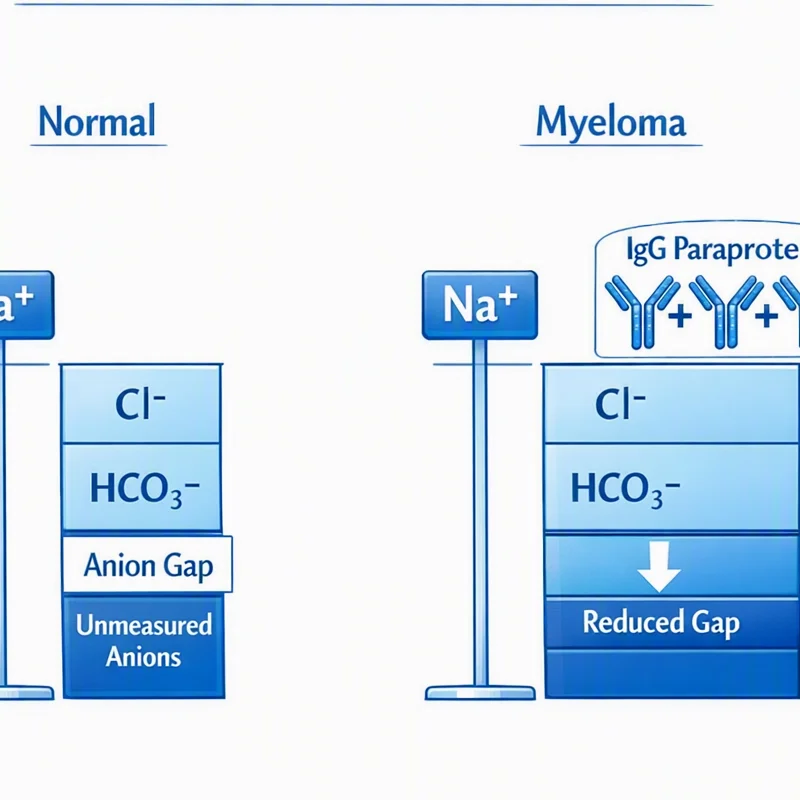
Clinicians use the anion gap to look for a underlying metabolic disturbance, especially when there is worry for metabolic acidosis. A higher-than-expected value can point to extra unmeasured acids in the blood, while a low value can indicate issues such as low serum albumin or laboratory variation. Because the calculation depends on routine serum electrolytes, it is often part of the broader medical assessment of a patient with abnormal blood chemistry.
In basic terms, the anion gap helps clinicians analyze how positively and negatively charged particles in the blood are counterbalancing each other. That balance is part of normal acid-base balance, and a change can be an useful clue when reviewing laboratory results.
How the Anion Gap Calculator Operates
An Anion Gap Calculator is an instrument that draws from lab values from a chemistry panel to calculate the anion gap rapidly and reliably. The calculator generally takes the measured concentrations of sodium, chloride, and bicarbonate, and in some versions also includes potassium. It then follows the standard anion gap calculation formula to deliver a numerical result.
For example, a typical formula is:
Anion gap = sodium - (chloride + bicarbonate)
When potassium is included, the formula may be modified slightly. Because the calculation is based on lab values, the result depends on the quality of the sample and the accuracy of the testing method. That is why the calculator is best used as part of broader clinical interpretation, not as a stand-alone diagnosis.
An Anion Gap Calculator is especially useful when reviewing a possible electrolyte imbalance or acid-base disorder. It can help identify a high anion gap or low anion gap pattern that deserves closer attention. In pediatric care, the calculator should be paired with the child’s age, symptoms, and other blood chemistry findings to support a more accurate conclusion.
Do Children Present With Different Anion Gap Ranges Versus Adults?
Absolutely, pediatric patients can have different expectations for the anion gap relative to adults. The notion of a normal range is not always the same across different ages, because children are not simply miniature adults. Growth, nutrient processing, and hydration status change over time, so the appropriate reference range may differ by age and by laboratory.
In practice, clinicians often consider age-based reference ranges or a pediatric reference range when reviewing results in children and teens. Some laboratories use a mildly different reference interval for younger patients, while others apply the same general range across age groups but advise caution in interpretation. This is why the same number may be viewed differently depending on the patient’s age and the local lab method.
The key point is that the anion gap should not be interpreted in isolation. A result that looks abnormal by adult standards may still align with the child’s clinical picture, especially if the rest of the evaluation is satisfactory. Conversely, a value within the expected range does not always exclude a meaningful problem if https://anion-gap-calculation.com/physiology/bicarbonate.html symptoms and other tests point to otherwise.
Why Anion Gap Values Can Vary in Pediatrics
A number of factors may affect the anion gap in pediatric patients. A key factor is albumin, a negatively charged protein in the blood. Because albumin contributes to the overall charge balance, lower levels can reduce the measured gap. This is why hypoalbuminemia can lead to a deceptively low result even when another disorder is present.
Growth-related changes also matter. As babies, children, and teens develop, their fluid status, kidney handling of acids and bases, and metabolism can change. These variations influence acid-base balance and may influence how a result should be read during clinical interpretation. A child with rapid growth, dehydration, or an acute illness may show different laboratory results than a stable outpatient.
Testing methodology is another important reason values vary. Different analyzers, calibration approaches, specimen handling practices, and reporting conventions can produce different results for the same sample. This means a reported normal range may differ from one institution to another. When reviewing an anion gap, clinicians should always compare the result to the lab’s stated reference range rather than assuming a universal value.
In addition, serum albumin concentration, the presence of other unmeasured ions, and overall serum electrolytes can influence the final number. In pediatric care, these factors make context especially important during medical assessment.
Frequent Causes of an Abnormal Anion Gap in Children
An abnormal anion gap in children often points to an underlying metabolic acidosis or an additional metabolic issue that requires assessment. A high anion gap usually suggests the buildup of acids that are not directly measured on the electrolyte panel. Common causes include lactic acidosis, ketoacidosis, and renal disease.
Lactic acidosis can occur when tissues are not receiving enough oxygen or when the body is under significant stress from infection, poor circulation, or severe illness. In this setting, lactic acid builds up and alters the acid-base balance. Ketoacidosis may occur when the body breaks down fat rapidly for energy, leading to the accumulation of ketones. This can be seen in diabetes and sometimes in fasting or other metabolic conditions.
Renal disease can also cause a high anion gap because the kidneys are less able to eliminate acid effectively. When acid builds up, the blood chemistry changes, and the gap may rise. In pediatric care, these causes are evaluated alongside hydration status, glucose, kidney function, and symptoms.
A low anion gap is less common but may occur with hypoalbuminemia, measurement variation, or unusual electrolyte patterns. Because both high anion gap and low anion gap patterns can reflect important disease processes, pediatric interpretation should be cautious and structured.
How to Read an Anion Gap Result in a Child
Proper interpretation of the anion gap in a child requires clinical context. This value alone does not diagnose a condition. Instead, healthcare providers consider the full picture, including symptoms, the electrolyte panel, a blood gas analysis, and the child’s pH. This information help determine whether there is a true acid-base disorder and how severe it may be.
For instance, a child with throwing up, belly pain, and raised blood sugar may need testing for ketoacidosis. A child with fever, hypotension, and poor perfusion may need evaluation for lactic acidosis. A child with kidney problems may have reduced acid clearance from renal disease. In each case, the anion gap is just one part of the overall evaluation.
It can also be useful to compare the value with HCO3, pH, and any present blood gas values. A reduced bicarbonate level with a elevated gap suggests metabolic acidosis, but the overall pattern is more important more than any single result. The goal is diagnostic evaluation as opposed to single number reading.
When you use the Anion Gap Calculator, clinicians should confirm the units, examine the listed lab values, and determine whether the result fits the rest of the child’s symptoms. This is especially important in children’s health, where presentations can evolve fast.
When a High or Low Anion Gap Needs Follow-Up
An unusual result may need further workup depending on the child’s complaints and overall condition. A elevated anion gap with fever, difficulty breathing, altered mental status, or signs of poor perfusion can suggest a serious metabolic problem that needs immediate evaluation. A low value may also need follow-up if it is surprising, ongoing, or paired with worrisome findings.
Dehydration can affect blood chemistry and may worsen an acid-base disturbance. In some children, dehydration comes with vomiting, diarrhea, fever, or poor intake and can contribute to abnormal lab patterns. If the child also has hypoalbuminemia, the gap may appear lower than expected, which can make interpretation more difficult.
Toxic ingestion is another reason an abnormal gap may need rapid attention. Certain ingestions can produce a high gap metabolic acidosis, and the child may need urgent testing and treatment. In these situations, the anion gap is often only one clue among many and should be interpreted with history, exam, and additional laboratory tests.
Follow-up is especially important when the result does not fit the clinical picture, when symptoms are worsening, or when there is concern for a serious underlying illness. The more abnormal the value, the more strongly clinicians should consider a full medical assessment.
Restrictions of the Anion Gap in Pediatric Testing
While helpful, the anion gap has notable limitations. The first limitation is the reference range itself. Because the normal interval may differ by testing center and age group, a value should always be interpreted according to the laboratory’s standards. This is especially important relevant in pediatrics, where the same number may not carry the same meaning across all settings.
Measurement error can also affect the result. Slight variations in sodium, chloride, or bicarbonate can change the calculated gap. Since the calculation formula depends on these measured values, any inaccuracy in the underlying electrolyte data can alter the final number. Specimen handling, analyzer calibration, and reporting practices all play a role in laboratory methodology.
Another important limitation is that a normal gap does not rule out disease. Some conditions may not produce a clearly elevated gap early on, and mixed disorders can mask one another. Likewise, a low result may be driven by low albumin rather than a primary metabolic problem. This is why clinicians use the anion gap as part of a broader diagnostic approach rather than as a single decisive marker.
In short, the anion gap is a helpful tool, but it has diagnostic limitations. The best use of an Anion Gap Calculator is to aid thoughtful interpretation of pediatric laboratory data, not to replace clinical judgment.
FAQ: Pediatric Anion Gap Questions
Can pediatric patients have different anion gap ranges than adults?
Absolutely. Pediatric patients can have different expected values depending on age, the laboratory’s normal range, and the testing method used. Younger patients and adolescents should be interpreted using age-aware medical interpretation when available, rather than assuming adult normal values always apply.
What is a typical anion gap value in children?
The reference range can vary by lab and by age category, so there is no single universal number for all children. It is best to use the listed reference range provided with the test results. A clinician may also consider a child reference range when assessing the result in the context of the child’s age and condition.
Why might a child have a elevated anion gap?
A child may have a high anion gap because of acidosis from causes such as lactic acidosis, ketone buildup, or kidney problems. Other serious illnesses can also affect the gap. The result should be considered alongside symptoms, blood gas findings, and the rest of the electrolyte panel.
Can low albumin affect the anion gap in pediatrics?
Yes. Blood albumin is an important contributor to the blood’s charge balance, so low albumin can lower the measured anion gap. This may make the result look less abnormal than it really is. In pediatric care, low albumin should be considered during pediatric interpretation of the lab result.
When should an abnormal anion gap in a child be evaluated further?
An abnormal result should be evaluated further when it is paired with symptoms, a concerning blood gas, abnormal pH, signs of illness, or suspicion for a serious metabolic problem. Immediate evaluation may be needed for dehydration, toxic ingestion, severe acidosis, or other unstable findings. A full patient evaluation helps determine whether the lab pattern reflects a true medical problem.